Every year, thousands of Californians trade Bay Area fog for Florida sunshine. For many, the math is simple: no state income tax, more house for the money, and a slower pace of life. But moving from California to Florida means a 2,600–3,100 mile journey, and the details decide whether it goes smoothly or turns into a month of stress.
This guide covers what the move really costs, how long it takes, what to do week by week, how to pick the right movers, and what to handle once you land. If you would rather hand the whole project to a team, our long-distance moving services cover every step from your Bay Area door to your new Florida home.
Why Bay Area Residents Are Moving to Florida
The reasons people give for moving to Florida from California are surprisingly consistent. So are the surprises they report after arriving.
What draws people to Florida
- No state income tax. For high earners leaving California, this alone can change the household budget significantly.
- Lower housing costs. Median home prices in most Florida metros are well below those in San Francisco, San Jose, or the Peninsula.
- Warm weather year-round. Beaches, boating, golf, and no real winter.
- Retirement. Florida remains one of the most popular retirement destinations in the country.
- Remote work. Tech professionals who no longer need to be near Silicon Valley offices can keep their salaries and lower their costs.
What to weigh before you commit
- Hurricanes. Hurricane season runs June 1 through November 30, and storm preparation becomes part of life.
- Insurance costs. Homeowners and flood insurance premiums in Florida can be high, especially near the coast.
- Humidity and heat. Summers are long, hot, and humid, very different from the Bay Area’s mild climate.
- Property taxes. No income tax does not mean no taxes. Budget for property tax and insurance together.
Pro tip: Before you sign a lease or buy, get homeowners and flood insurance quotes for the exact address. In some coastal areas, insurance changes the monthly cost of a home more than the mortgage rate does.
How Much Does It Cost to Move From California to Florida?
The cost to move from California to Florida depends mostly on how much you are moving. Interstate movers price by weight and distance, so a studio and a five-bedroom estate are completely different jobs.
| Home size | Approx. weight (lbs) | Estimated cost range (full-service movers) |
|---|---|---|
| Studio / 1-bedroom | 2,000–4,000 | $4,000–$7,000 |
| 2-bedroom | 5,000–7,000 | $6,500–$10,000 |
| 3-bedroom | 8,000–10,000 | $9,000–$14,000 |
| 4-bedroom | 11,000–14,000 | $12,000–$18,000 |
| 5+ bedroom / estate | 15,000+ | $17,000–$25,000+ |
These are general industry estimates for cross-country, full-service moves and are not CEO Moving prices. Your actual cost depends on your inventory, services, and dates. For an exact price, request a free written estimate from CEO Moving.
What Affects the Cost of a California to Florida Move
Two moves of the same home size can be priced thousands of dollars apart. These are the factors that make the difference:
- Shipment weight and volume. The more you bring, the more you pay. Decluttering before the estimate is the easiest way to save.
- Distance and destination city. Jacksonville is several hundred miles closer than Miami or Naples.
- Season. Summer is peak season for movers, with higher prices and tighter availability.
- Packing services. Full packing saves you days of work but adds labor and materials to the bill.
- Access. Stairs, elevators, long carries from the truck, and steep driveways all add time at pickup or delivery.
- Storage. If your Florida home is not ready, storage-in-transit adds a monthly cost.
- Specialty items. Pianos, fine art, wine collections, and antiques need custom crating and extra handling.
- Valuation coverage. Full value protection costs more than basic coverage but protects you far better.
- Car shipping. Shipping a vehicle coast to coast is usually a separate cost, often estimated in the $1,200–$2,000 range per car on an open carrier.

How Long Does It Take to Move From the Bay Area to Florida?
Most household goods shipments from the Bay Area reach Florida in about 7 to 14 days after pickup. Exact timing depends on the route, the season, and whether your belongings travel on a dedicated truck or share space with other shipments.
| Route | Approx. driving distance (miles) | Typical transit time for household goods |
|---|---|---|
| San Francisco to Miami | 3,000–3,100 | 8–14 days |
| San Francisco to Orlando | 2,800–2,900 | 7–14 days |
| San Francisco to Tampa | 2,750–2,850 | 7–14 days |
| San Jose to Jacksonville | 2,600–2,700 | 7–12 days |
| San Francisco to Naples | 2,900–3,000 | 8–14 days |
Delivery windows vs. guaranteed dates
Most interstate movers give you a delivery window, a range of days when your shipment will arrive, rather than a fixed date. This is standard, especially when shipments are consolidated. If you need a specific delivery day, ask about a guaranteed date or a dedicated truck. Both cost more, but they remove the guesswork of where to stay while you wait.
Your California to Florida Moving Timeline
Moving from California to Florida goes best when you start early. Use this plan to stay ahead.
8 weeks before
- Set your budget and target move dates.
- Request in-home or video surveys from at least two or three movers.
- Start decluttering: sell, donate, or discard what you will not bring.
- Research Florida neighborhoods, schools, and insurance costs.
4 weeks before
- Book your mover and confirm the written estimate.
- Arrange car shipping or plan your drive.
- Transfer school and medical records.
- Set up utilities, internet, and insurance at your Florida address.
2 weeks before
- Submit your change of address with USPS.
- Confirm building requirements at both ends, such as elevator reservations and certificates of insurance.
- Pack an essentials box and set aside important documents and valuables you will carry yourself.
Moving week
- Confirm pickup time and crew details with your move coordinator.
- Defrost the fridge 24–48 hours before pickup, drain fuel from lawn equipment, and set aside propane tanks, which movers cannot transport.
- Walk through your home with the crew lead and review the inventory before the truck leaves.
After arrival
- Check every item against the inventory and note any damage before signing.
- Start your Florida paperwork: driver license, vehicle registration, and homestead exemption.
Pro tip: Carry passports, jewelry, prescriptions, and work laptops with you. Even the best movers recommend keeping irreplaceable items in your own hands.
How to Choose California to Florida Movers
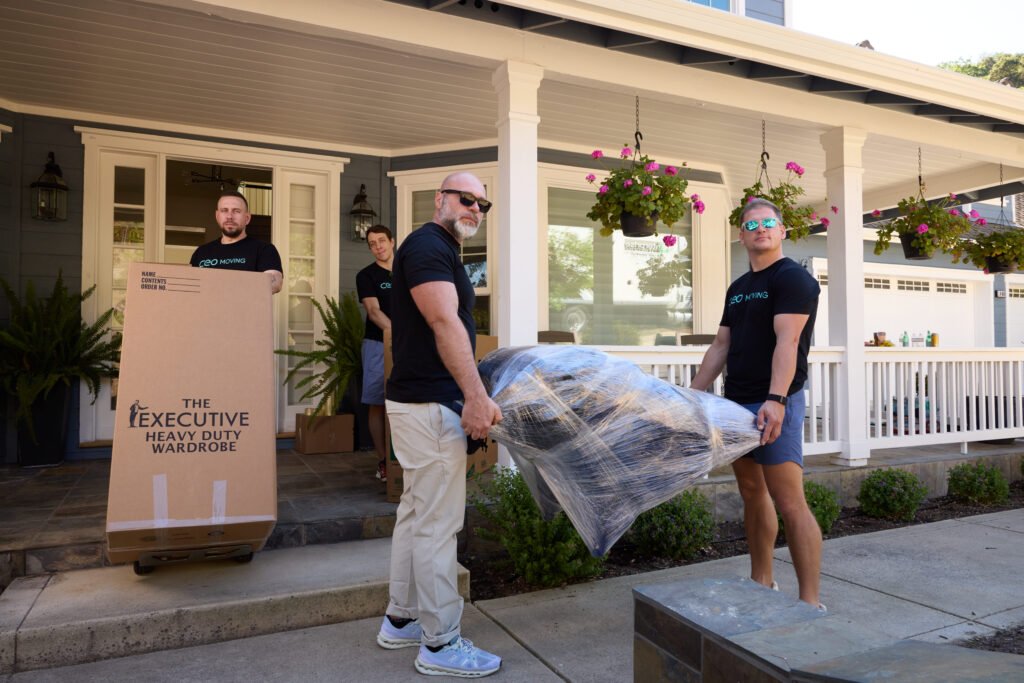
Choosing the right California to Florida moving company is the single biggest decision in your move. Long-distance moving also attracts more scams than local moving, so check all California to Florida moving companies carefully.
- USDOT number and FMCSA registration. Any company moving goods between states must be registered with the Federal Motor Carrier Safety Administration. Look up its USDOT number before you sign anything.
- Carrier vs. broker. A carrier moves your belongings with its own trucks and crews. A broker sells your move to another company, often one you never vetted. Ask directly which one you are dealing with.
- Written flat-rate or binding estimate. A binding estimate locks in your price based on the inventory. Avoid verbal quotes and vague hourly pricing for interstate moves.
- In-home or video survey. Reliable California to Florida long distance movers see your belongings before quoting. A price over the phone without a survey is a warning sign.
- Valuation coverage. Understand the difference between basic released value and full value protection.
- Reviews and references. Look for recent reviews of long-distance moves specifically, not just local jobs.
Red flags to walk away from: a large cash deposit upfront, no written estimate, no physical company address, or a price far below every other quote.
Business owners relocating at the same time often coordinate their home move with an office relocation, which is easier with one company managing both schedules.

After You Arrive: Settling In Florida
A successful California to Florida relocation does not end when the truck leaves. Florida has its own deadlines for new residents:
- Driver license: new residents are generally required to get a Florida driver license within 30 days of establishing residency.
- Vehicle registration: register and title your vehicle in Florida shortly after establishing residency; the state sets a short deadline once you start work, enroll children in school, or take other residency steps.
- Homestead exemption: if you buy a home and make it your permanent residence, you may qualify for a property tax exemption. Ownership and residency as of January 1 matter, and applications are typically due by March 1.
- Voter registration: you can usually register to vote when you apply for your Florida driver license.
- Homeowners and flood insurance: standard homeowners policies typically exclude flood damage. Flood policies often have a waiting period before coverage begins, so do not leave it until a storm is forecast.
Deadlines and requirements can change. Confirm the current rules with the Florida Department of Highway Safety and Motor Vehicles and your county property appraiser’s office.
Quick Checklist Before Moving From California to Florida
If you only have a few minutes, run through this list. These are the items that most often get missed on a California to Florida move, and each one is much easier to handle before the truck shows up than after.
- Get at least three written estimates. Ask each company whether the price is binding, not-to-exceed, or non-binding, and compare them on the same inventory.
- Confirm the delivery window in writing. Cross-country shipments usually arrive inside a window of several days, so plan where you will stay until your things arrive.
- Line up Florida insurance early. Homeowners and flood quotes can change your budget, so get them before you commit to a home or lease.
- Decide what not to bring. Heavy furniture that will not suit a warmer climate or a smaller floor plan costs money to ship. Selling it in the Bay Area is often cheaper.
- Plan your car. Choose between driving and shipping, and book auto transport a few weeks ahead if you need it.
- Keep essentials with you. Pack a bag with documents, medications, chargers, and a few days of clothes for the trip.
Moving from California to Florida is a big step, but with a clear checklist and a licensed long-distance mover, your Florida move can stay on time and on budget.
Planning a Move From the Bay Area to Florida?
Whether you are leaving a condo in San Francisco, a family home in San Jose, or an estate in Palo Alto, CEO Moving’s Bay Area long-distance movers handle your move from first survey to final placement, with a dedicated move coordinator and a flat-rate written estimate before you commit. Looking for trusted San Francisco to Florida movers or San Jose to Florida movers? Request a free quote today.