
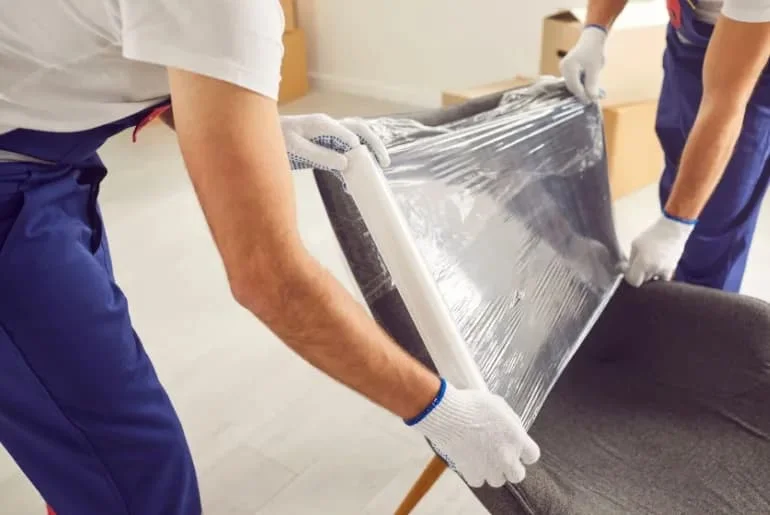
A piano doesn’t care that you’re in a hurry. Neither does a hundred-year-old dresser, a Peloton, or the crated painting you just bought at auction. Some things need more than two guys and a dolly — they need white glove moving, a level of care most standard movers simply don’t offer as a default.
If you’ve heard the term thrown around and aren’t sure whether it applies to your move, here’s what it actually means, what it costs in the Bay Area, and when it’s genuinely worth booking versus when regular full-service movers will do just fine.
What Is White Glove Service, Exactly?
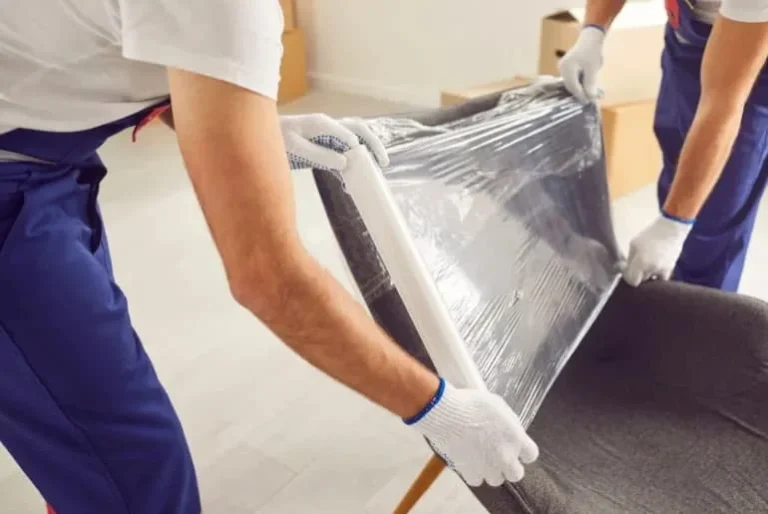
Ask ten people what does white glove service mean and you’ll get ten slightly different answers, because the phrase gets used loosely across furniture retail, appliance delivery, and moving — three different industries. In the moving world specifically, white glove moving means the crew handles everything: disassembly, custom padding and crating for fragile or high-value items, careful transport, and full placement and reassembly at the destination, often down to unwrapping and positioning the item exactly where you want it.
The white glove meaning that matters here isn’t a marketing word — it’s a specific, higher standard of handling for things that can’t be treated like a stack of moving boxes.
White Glove vs. Full-Service vs. Standard Moving
People often ask about the difference between white glove and full-service moving, and the honest answer is that white glove is a step above full-service, not a replacement for it. Here’s how the three levels actually compare:
| Service Level | Packing | Handling | At Destination |
|---|---|---|---|
| Standard Moving | You pack yourself | General care, standard wrapping | Boxes and furniture set down |
| Full-Service Moving | Crew packs everything | Furniture pads, disassembly/reassembly | Furniture placed, some unpacking |
| White Glove Moving | Custom crating for fragile/high-value pieces | Specialized equipment, item-specific protocols | Full unpacking, exact placement, debris removed |
Most Bay Area moves fall into “full-service.” White glove is reserved for the pieces in your home that genuinely need it.
When You Actually Need White Glove Moving
You don’t need white glove treatment for your whole household most of the time — you need it for specific items, or specific situations. Here’s where it actually earns its cost.
Pianos
Upright and grand pianos are heavy, awkwardly balanced, and expensive to repair if something goes wrong. White glove piano moving means specialized dollies, ramps, and a crew trained specifically in piano handling — not furniture movers improvising with a couch dolly.

Fine Art and Antiques
A fine art moving service typically means climate consideration, custom crating built to the piece’s exact dimensions, and handling protocols that prevent flexing or pressure on frames and canvases. Antiques carry similar risk — old joinery and finishes don’t respond well to standard shrink wrap and a rushed loading process.
High-Value or Fragile Furniture
Marble tabletops, glass cabinetry, and designer furniture with delicate finishes are common candidates. White glove furniture moving usually includes custom padding or crating built around the specific piece, not a generic blanket-and-tape approach.
Estate Moves and Downsizing
Estate moving services come up often when someone is moving out of a long-time family home, sometimes for a senior transitioning to a smaller space. These moves tend to involve sentimental, high-value, or simply irreplaceable items where the cost of a mistake is much higher than the cost of extra care.
Executive and Corporate Relocations
Concierge moving service is a common ask for executive relocations, where the client isn’t available to supervise every box and wants the entire process — packing through unpacking and setup — handled without their involvement.
What’s Actually Included in White Glove Moving
A legitimate white glove moving service typically covers:
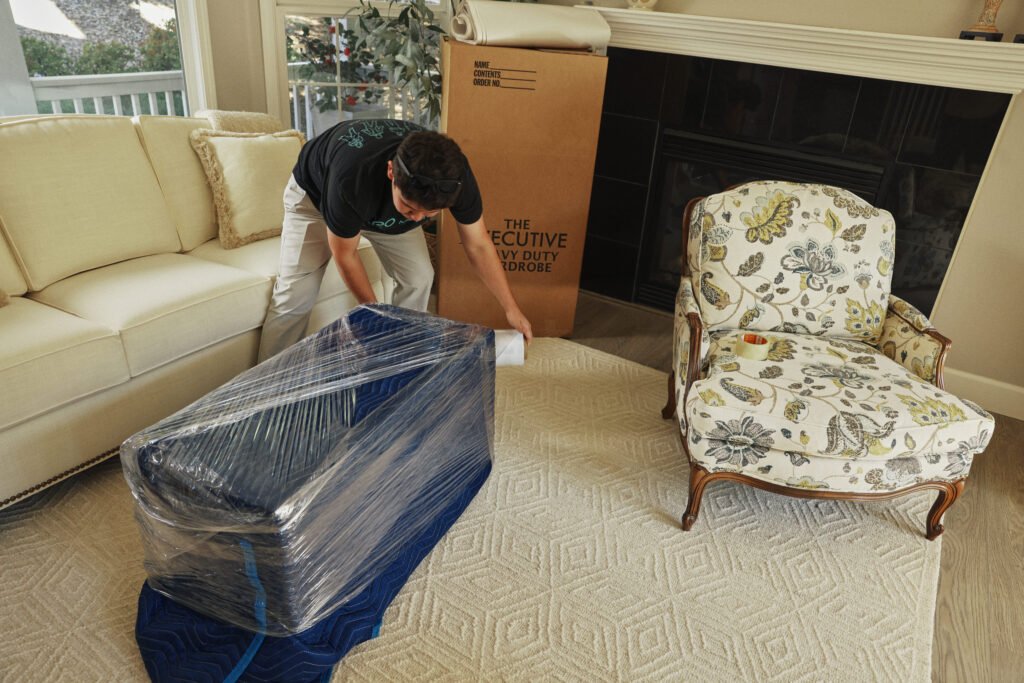
- Custom crating or padding built for specific fragile or high-value items
- Full disassembly and reassembly of furniture, including reconnecting electronics where needed
- Careful loading using item-specific equipment, not generic dollies for everything
- Full unpacking and placement at the destination, in the exact spot you want it
- Removal of all packing debris and materials before the crew leaves
If your move is mostly boxes and everyday furniture, full-service moving covers you well without paying for the extra layer of care white glove includes.
What Does White Glove Moving Cost in the Bay Area?
White glove moving cost runs higher than standard full-service rates, and it’s usually priced per item or as an add-on to your overall move rather than folded into a flat hourly rate. As a rough Bay Area estimate:
- A single piano typically adds $200–$500 to a move, depending on size and access (stairs, tight hallways)
- Custom crating for a single art piece or antique often runs $150–$400 per item
- A full white glove move for an entire high-value household can add 20–40% over a standard full-service quote
These are typical ranges, not fixed prices — get a walkthrough-based quote for anything you’re planning to move this way, since access, item count, and fragility all move the number.

How to Choose a White Glove Moving Company
Not every company that claims “white glove” on their website actually trains for it. Before booking:
- Ask specifically what equipment they use for the item you’re worried about (piano boards, art crates, etc.)
- Check white glove moving reviews specifically, not just general moving reviews — the skill sets are different
- Ask whether crating is custom-built or a generic padded box
- Confirm insurance coverage for high-value items, since basic liability coverage often won’t come close to replacement value (for interstate moves, the FMCSA’s Protect Your Move guide explains your valuation options)
- Get the white glove portion itemized separately in your quote so you know exactly what you’re paying extra for
A furniture moving crew that handles this daily will usually walk you through their process without being asked — that’s generally a good sign.
How to Prepare for a White Glove Move
White glove moving takes most of the physical work off your plate, but a little preparation still makes the day smoother and keeps the price in line with your estimate.
- Make a list of high-value items. Note pieces that need crating, special handling, or a second look, and share it with your coordinator before the in-home survey.
- Photograph valuables before move day. Take clear photos of art, antiques, and fine furniture from several angles. It helps with any claim and with reassembly.
- Check your coverage. Ask what valuation is included and whether you need extra coverage for high-value items. Your homeowners or renters insurance may also cover goods in transit.
- Keep small valuables with you. Jewelry, documents, and small heirlooms should travel with you, even on a white glove move.
- Plan the new layout. A simple floor plan with furniture placement lets the crew set up each room once, instead of moving pieces twice.
- Book early for peak season. White glove crews are smaller and more specialized, so summer dates fill up quickly.
With those steps done, white glove moving becomes what it should be: a calm day where trained movers handle the heavy, fragile, and valuable work while you focus on settling in.
Have Something That Needs Extra Care?
Not every move needs white glove treatment, but the pieces that do deserve a crew that’s actually done it before. CEO Moving has handled everything from grand pianos to full estate relocations across the Bay Area since 2009, with the equipment and training to back up the term.
Get a free quote and tell us what you’re moving — we’ll tell you honestly whether it needs the white glove treatment or not.