
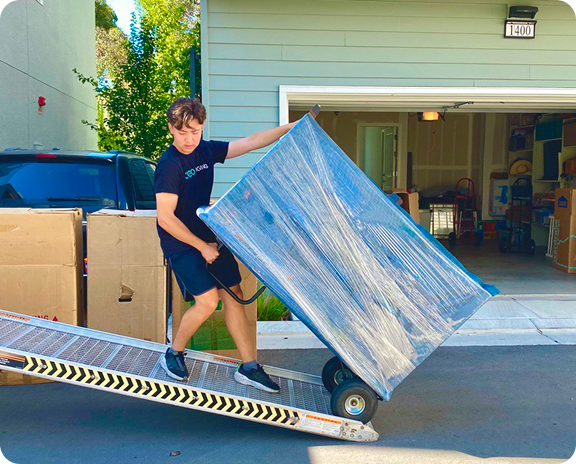
For a studio or one-bedroom apartment, a local move in the Bay Area typically starts around $500 to $900. A three-bedroom house lands closer to $1,500 to $2,200, and larger homes can climb past $3,000. These are typical ranges, not a quote — your exact price depends on your inventory, access, and move date. Most local movers charge by the hour rather than a flat rate, so your local move cost is really a factor of time and crew size, not distance.
That’s the short answer. But “it depends” isn’t much help when you’re trying to set a budget, so below we’ll break down exactly what drives local moving cost up or down, what a typical hourly rate looks like across the Bay Area in 2026, which fees catch people off guard, and how to get a quote you can actually trust.
How Much Do Local Movers Cost in the Bay Area?
Local moving companies in the Bay Area almost always bill by the hour, not by weight or distance — that’s reserved for long-distance moving. So if you’re asking how much do movers cost per hour, or comparing local moving rates across a few companies, here’s where it starts: the hourly rate covers your crew (usually 2 to 5 movers), the truck, and basic equipment like dollies, furniture pads, and shrink wrap.
Rates here run higher than the national average. That’s not a pricing gimmick — it reflects Bay Area labor costs, insurance requirements, and the reality of navigating tight streets in places like Nob Hill or narrow driveways in the Oakland hills. Movers cost per hour typically falls between $150 and $280 for a crew of two to four movers, with larger crews naturally costing more per hour but often finishing the job faster. Local moving prices and local moving company cost figures you’ll see quoted online are usually built around this same hourly model — just applied to a different crew size or market. (If you’ve searched “how much do movers cost bay area,” that $150–$280/hr range is your answer.)
Local Moving Cost by Home Size
Here’s a general breakdown based on typical Bay Area moves. These are estimates — your actual quote will depend on inventory, stairs, parking, and distance between homes.
| Home Size | Typical Crew | Estimated Time | Estimated Cost |
|---|---|---|---|
| Studio / 1 Bedroom | 2 movers | 2–4 hours | $500 – $900 |
| 2 Bedroom Apartment | 2–3 movers | 4–6 hours | $900 – $1,500 |
| 3 Bedroom House | 3–4 movers | 6–8 hours | $1,500 – $2,200 |
| 4+ Bedroom House | 4–5 movers | 8–10+ hours | $2,200 – $3,500+ |
Estimates based on typical 2026 Bay Area hourly rates for a licensed, insured crew. CEO Moving’s local moves start at $500 — your actual local move cost depends on your specific home and inventory. Get your exact quote →
What Actually Drives Your Local Moving Cost Up or Down
The hourly rate is only half the story. The number of hours you’re billed for depends on a handful of things movers factor in before they ever load a box:
- Inventory volume — more boxes and furniture means more time to wrap, carry, and load
- Crew size — a bigger crew costs more per hour but usually finishes faster, which can even out the total
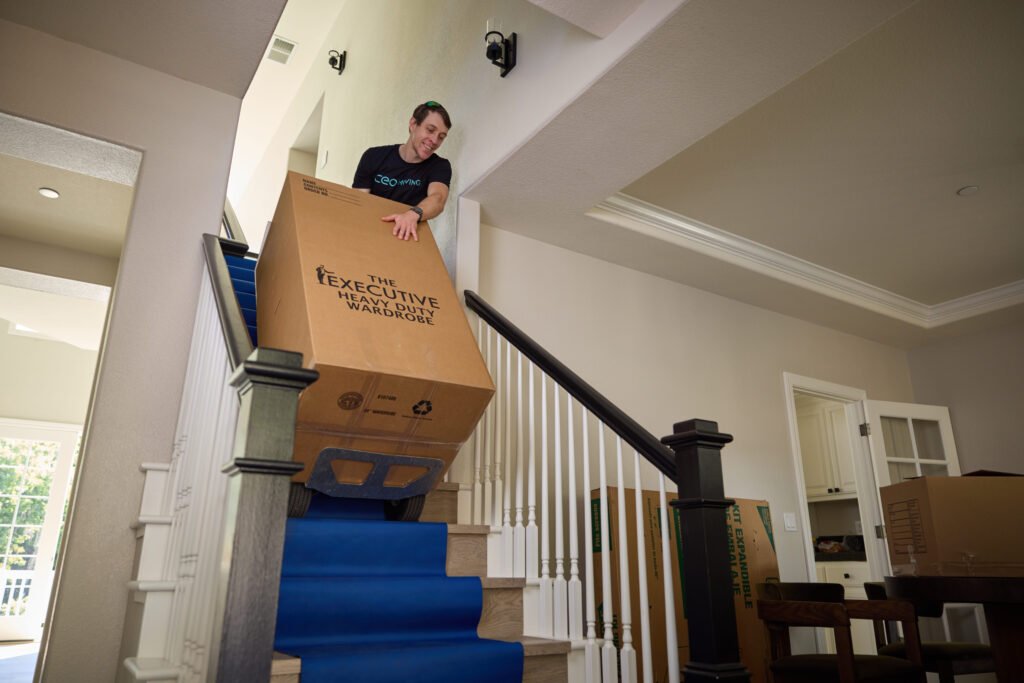
- Stairs and elevators — a third-floor walk-up in San Francisco takes noticeably longer than a ground-floor unit
- Parking and building access — if the truck has to park a block away, that walking distance adds real time
- Distance between homes — even “local” moves that cross from, say, Palo Alto to San Jose add drive time
- Specialty items — pianos, safes, gym equipment, or oversized furniture usually need extra hands or equipment
- Packing services — having the crew pack for you saves your weekend but adds labor hours and materials
If you’re moving out of a high-rise condo in San Francisco or a hillside home with a steep, narrow driveway, mention that when you request your quote — it changes the math more than people expect. Searching specifically for sf movers cost? Expect the same $150–$280/hr range, just budget a bit more time for parking and building access.
Hidden Fees Some Bay Area Movers Don’t Mention Upfront
This is where a lot of moving budgets get blown. A few extra charges to ask about before you book:
- Long carry fees — if the truck can’t park within a set distance of your door (in San Francisco, an SFMTA temporary signage permit can reserve curb space)
- Stair or elevator fees — some companies charge per flight after the second floor
- Wait time — if the crew is stuck idling because your new place isn’t ready
- Fuel or travel surcharges — a flat fee some companies tack on regardless of distance
- Cancellation or reschedule fees — especially if you cancel within 24-48 hours of your move date
CEO Moving keeps this simple: our quotes are transparent from the first call, and what you’re told on the phone is what you see on the invoice — no surprise line items on move day.
How to Get a Local Moving Quote You Can Actually Trust
If you’ve been searching how much do movers cost for a local move and getting wildly different numbers from different companies, that’s usually because phone quotes skip the details that actually drive price. A quote based on “roughly how many rooms” is a guess, not a price. First, confirm the mover holds a California household goods permit, which you can check with the Bureau of Household Goods and Services. Then, here’s how to get a local moving cost quote that holds up:
- Request an in-home or video walkthrough instead of a phone-only estimate
- Ask for a written quote that spells out the hourly rate, minimum hours, and what’s included
- Confirm whether the rate is hourly or flat — and get it in writing either way
- Ask directly about stairs, long-carry, and parking fees before move day, not after
- Confirm crew size and truck size match what your move actually needs
A company that’s willing to walk through your home (in person or over video) before quoting is a good early sign — it means they’re pricing your actual move, not a generic average.

Best Time to Move Locally in the Bay Area (If You Want to Save)
Rates aren’t flat all year. Demand shifts, and so does availability. Weekdays are typically cheaper than weekends, when everyone else is also trying to move, and mid-month is usually less booked than the first and last few days of the month, when leases turn over. Fall and winter tend to be quieter than the May–September peak season, and booking 2–4 weeks ahead gets you better availability and, sometimes, better rates than a last-minute call.
If your schedule has any flexibility at all, even shifting your move by a few days can change your quote.

Simple Ways to Lower Your Local Moving Cost
Since most Bay Area local moves are billed by the hour, the fastest way to save is to cut the hours. These steps don’t require any special skills, just a bit of prep before the crew shows up.
- Finish packing the night before. Half-packed rooms are one of the biggest time sinks on moving day. Have every box closed, taped, and labeled before the truck arrives.
- Stage boxes near the exit. Stack boxes in one room close to the front door or garage so the crew isn’t walking the whole house for every load.
- Clear a path and protect access. Move rugs, plants, and small furniture out of hallways, and make sure elevators and loading zones are booked for both buildings.
- Sell or donate before you move. Every piece you don’t bring is one less item to wrap, carry, and unload.
- Pick a weekday date. Mid-week and mid-month moves are easier to schedule, and you’re less likely to compete with end-of-month lease turnovers.
- Be ready at the new place. Know where each piece of furniture goes and have keys, parking, and access sorted so the crew isn’t waiting.
Small steps like these can shave real time off the day, which keeps your local moving cost closer to the low end of the estimate.
What’s Included When You Book Local Moving With CEO Moving
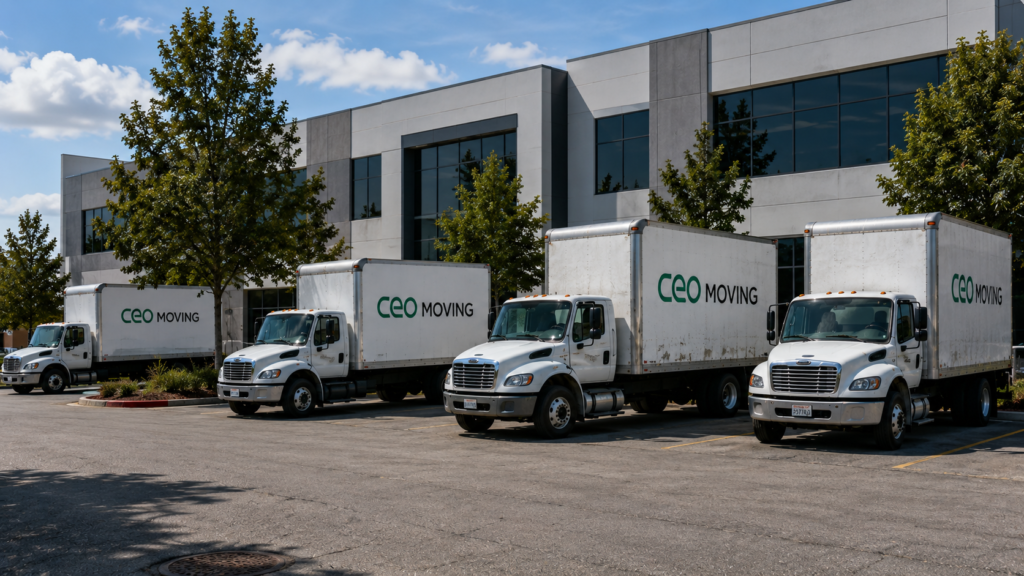
CEO Moving has handled local moving across the Bay Area since 2009 — over 10,000 moves and 500+ five-star reviews on Google, Yelp, and Thumbtack. Every local move includes a truck sized to your job, furniture blankets and shrink wrap, floor protection, dollies, disassembly and reassembly of furniture, and basic liability coverage at $0.60/lb per article. Our crews are background-checked and trained — not day laborers picked up for the day — and we’re fully licensed and insured (USDOT 3554402, MTR 0200267, CAL-T 200267).
We run 7 days a week, 8:00 AM to 8:00 PM, including evenings and weekends, and we own our fleet of 18, 22, and 26-foot trucks so we’re not waiting on a rental company to confirm availability.
Ready to See What Your Move Would Cost?
Every Bay Area home is different — a studio in a Nob Hill walk-up prices out differently than a three-bedroom in Walnut Creek with a driveway right at the door. The fastest way to get a number you can actually plan around is a quick walkthrough with our team, not a guess over the phone.
Get a free quote from CEO Moving and we’ll give you a real price, based on your home, your inventory, and your move date — no hidden line items on the day of.