Forwarding your mail through USPS feels like it covers everything, but it doesn’t — it’s a temporary patch, not a fix. A real change of address checklist means going straight to the source: your bank, the DMV, your employer, and a dozen smaller accounts that don’t know you’ve moved until you tell them directly. Miss one, and you’re the person still getting jury duty summons at your old San Jose apartment eight months later.
Here’s who to notify when you move, organized so you’re not scrambling the week before — or worse, the week after.
Start Earlier Than You Think
Most people start this checklist the week of the move, which is later than it should be. A few accounts — mortgage or lease paperwork, employer records, anything tied to a Bay Area DMV appointment — genuinely benefit from a head start, since processing times aren’t instant even when the form itself takes two minutes to fill out.
It also helps to separate what’s urgent from what’s just annoying to forget. A missed bank statement can mean a late fee. A missed streaming subscription update just means an email bounces for a while. Sorting your list by actual consequence, not just alphabetically, is what keeps this from turning into a full afternoon of paperwork.
| Timeline | What to Handle | Why It Matters |
|---|---|---|
| 2-4 weeks before | USPS forwarding, bank, employer, insurance | These take a few days to process and affect bills/paychecks |
| 1-2 weeks before | Subscriptions, memberships, medical providers | Lower urgency, but easy to forget once you’re settled in |
| Within 10 days of moving | DMV registration (California requires this) | California law requires updating your address within 10 days |
| After move-in | Voter registration, anything you missed | Confirm mail is actually arriving at the new address before old forwarding expires |
Government and Legal: The Ones You Can’t Skip
USPS Change of Address
Filing your usps change of address is the fastest fifteen minutes on this entire list — do it online at usps.com, and it forwards first-class mail for 12 months. That said, treat it as a safety net, not a solution. Plenty of mail — magazines, some financial statements, anything sent via a third-party carrier — won’t forward at all.
DMV and Driver’s License
California requires you to update your address with the DMV within 10 days of moving. This is one of the few items on this checklist with an actual legal deadline attached, and it’s easy to forget since there’s no bill or statement reminding you.
IRS and Social Security
You don’t need to notify the IRS separately if you’re filing your next return with the new address — it updates automatically. If you’re expecting anything from the IRS before your next filing, or if you receive Social Security benefits, update both directly rather than waiting on tax season to sort it out.
Voter Registration
Updating your voter registration isn’t urgent in the way DMV registration is, but it’s easy to forget entirely, and you don’t want to find out your polling place is wrong on election day.
Financial Accounts to Update
Anything tied to money should move up your priority list, since a missed statement here can mean late fees or a paused account:
- Bank accounts and credit cards — update through their app or website, not just your mailing preferences
- Employer payroll and HR records, especially if you’re paid by physical check or have benefits tied to your address
- Auto and renters/home insurance — your rate is often based on ZIP code, so this isn’t optional
- Any loans — student loans, auto loans, personal loans
- Investment and retirement accounts
Subscriptions, Utilities, and Everything Else
This is the category people forget hardest, mostly because none of it feels urgent until a package goes to the wrong address:
- Streaming services, subscription boxes, and anything billed to a card on file
- Gym memberships and local subscriptions tied to a specific location
- Doctors, dentists, and any medical providers who mail records or bills
- Your kids’ school, if applicable, along with any registered pet with the county
- Amazon and other shopping accounts — an easy one to forget until the first package goes missing
If you’re also coordinating local moving logistics around the same timeline, it’s worth knocking out the financial and government items before move week specifically, so you’re not doing paperwork on top of unpacking boxes. A lot of people push this list to “after we’re settled,” and then it sits untouched for months because nothing about it feels urgent until something goes wrong.
How to File Your USPS Change of Address
If you haven’t done this yet, here’s the actual process:
- Go to usps.com/move and select permanent or temporary forwarding
- Enter your old and new address, along with everyone in the household who needs mail forwarded
- Pay the small identity-verification fee (this is standard, not a scam)
- Confirm the forwarding start date — it can be set for your actual move-in day
- Save the confirmation number in case anything doesn’t forward correctly
One Less Thing on Your Moving List
A change of address checklist is the kind of task that’s easy to put off until it’s genuinely urgent. Knocking it out early — while you’re still packing boxes rather than unpacking them — means one less thing competing for your attention on move week, and it’s a lot easier to fill out a form calmly on a Tuesday evening than to scramble for your new DMV appointment three weeks late.
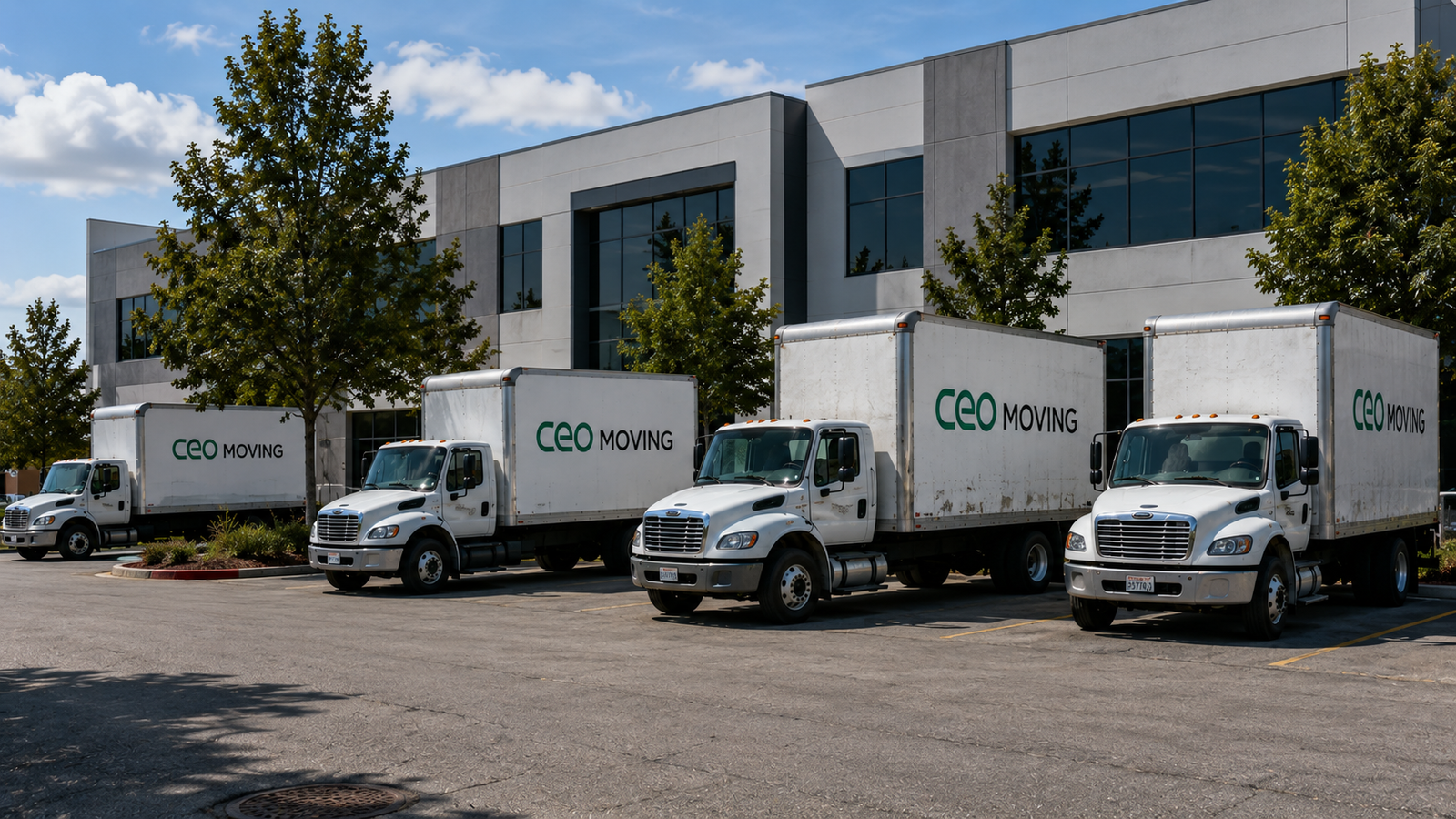
If you’d rather hand off the physical side of the move entirely, CEO Moving has handled Bay Area full-service moving since 2009, with a crew that packs, loads, and unpacks so your only job is the paperwork.
Get a free quote and cross the hardest part of the move off your list.
Frequently Asked Questions
-
Who do I need to notify when I move?
Start with USPS, your bank, employer, and insurance provider, then move through subscriptions, medical providers, and anyone else who bills you or mails you something regularly. Government accounts like the DMV and voter registration round out the list.
-
Where do I go to change my address with USPS?
File directly at usps.com/move, or in person at your local post office. Avoid third-party sites that charge more than the standard identity-verification fee for the same service.
-
How long does USPS mail forwarding last?
Standard forwarding lasts 12 months for first-class mail. After that, mail sent to your old address may be returned to sender rather than forwarded, so don't rely on it as a long-term fix.
-
Do I have to update my address with the DMV in California?
Yes — California requires drivers to update their address with the DMV within 10 days of moving. This is one of the few items on this list with an actual legal deadline.
-
How do I change my address with my bank?
Most banks let you update your address directly through their app or online banking portal, without needing to visit a branch. If you can't find the option, a quick call to customer service handles it in a few minutes.
-
Do I need to update my voter registration when I move?
Yes, if you want to vote at the correct polling place or receive election materials at your new address. You can typically update it online through your state's voter registration portal.
-
What happens if I forget to update my address somewhere?
Mail may get returned to sender once USPS forwarding expires, or in more serious cases, you could miss something time-sensitive like a bill, legal notice, or DMV renewal. It's worth doing a second pass a month or two after moving to catch anything missed — pull up your bank and credit card statements and skim for any company that hasn't sent mail to the new address yet.
-
Can I change my address with Social Security online?
Yes, if you already receive benefits, you can typically update your address through your online Social Security account. If you don't yet have an account set up, it may require a phone call instead.